
 Mrs Reviews
Affiliate Disclosure: This site may contain links to affiliate websites, and we receive an affiliate commission for any purchases made by you on the affiliate website using such links.
The evolution of design styles is a fascinating journey that reflects changes in culture, technology, and societal values. Each era brings its own unique aesthetic, shaped by the influences of the time. Understanding how these styles develop can provide valuable insights for anyone interested in design, whether you’re a professional or just an enthusiast.
At the core of design evolution is the interplay between tradition and innovation. Many contemporary styles are rooted in historical movements, borrowing elements while reinterpreting them for modern audiences. For instance, the minimalist trend we see today draws inspiration from the Bauhaus movement, which emphasized simplicity and functionality. Designers take these foundational ideas and adapt them, creating something fresh that resonates with current sensibilities.
Cultural shifts also play a crucial role in shaping design styles. As societies evolve, so do their tastes and preferences. The rise of digital technology has transformed design in unprecedented ways. Graphic design, for example, has been revolutionized by advancements in software, enabling designers to experiment with new forms and techniques. This technological influence has led to the emergence of styles that prioritize interactivity and engagement, reflecting the way people consume content today.
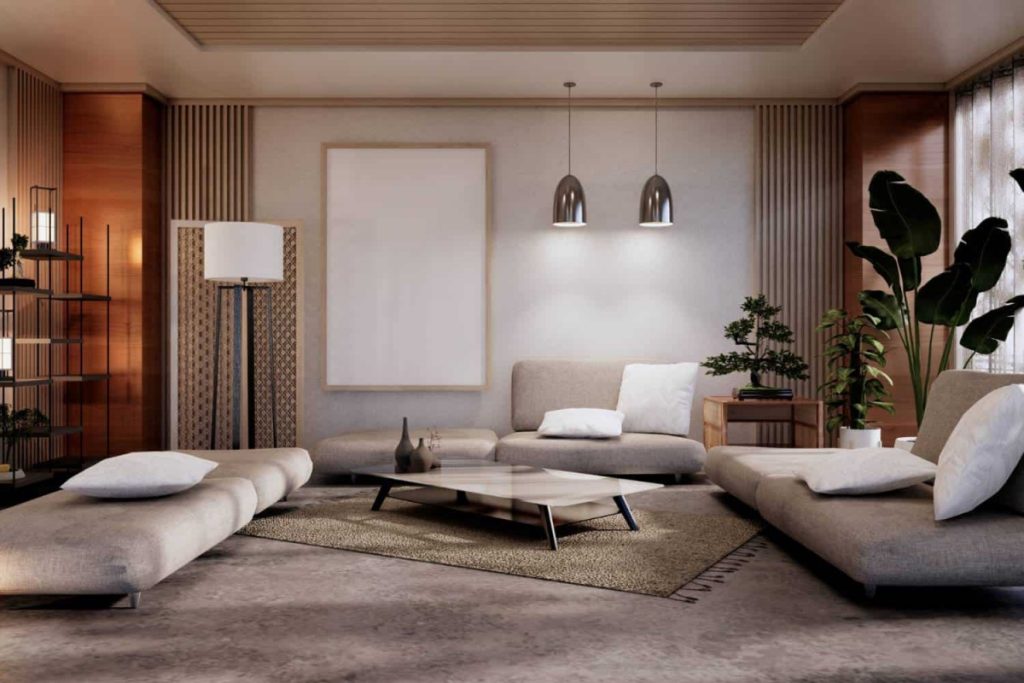
Another significant factor in the evolution of design styles is the impact of global influences. In our increasingly interconnected world, designers are exposed to a myriad of cultural perspectives. This cross-pollination often results in hybrid styles that blend elements from different traditions. For example, the fusion of Eastern and Western design principles can be seen in various contemporary aesthetics, creating a rich tapestry of influences that enrich the design landscape.
Sustainability has also emerged as a driving force in recent years. As awareness of environmental issues grows, many designers are rethinking their approaches to materials and processes. This shift has led to the rise of eco-friendly design styles that prioritize sustainability without compromising aesthetics. Designers are now exploring innovative materials and techniques that minimize waste and reduce their carbon footprint, shaping a new direction for the future of design.
The role of social media cannot be overlooked in this discussion. Platforms like Instagram and Pinterest have democratized design, allowing emerging talents to showcase their work to a global audience. This visibility has accelerated trends, as styles can gain popularity overnight. Designers now have to navigate this fast-paced environment, adapting their work to stay relevant while maintaining their unique voice.
Collaboration is another key aspect of design evolution. Many designers are now working across disciplines, partnering with artists, architects, and technologists to create innovative solutions. This collaborative spirit fosters creativity and pushes the boundaries of what design can achieve. The result is often a blend of styles that challenge conventional norms and open up new possibilities.
As design styles continue to evolve, they reflect the complexities of our world. The interplay of tradition and innovation, cultural influences, technological advancements, sustainability, social media, and collaboration all contribute to this dynamic landscape. By exploring these elements, one can gain a deeper appreciation for the art of design and the myriad ways it shapes our environment and experiences. Each new style tells a story, inviting us to engage with the world in fresh and meaningful ways.