
 Mrs Reviews
Affiliate Disclosure: This site may contain links to affiliate websites, and we receive an affiliate commission for any purchases made by you on the affiliate website using such links.
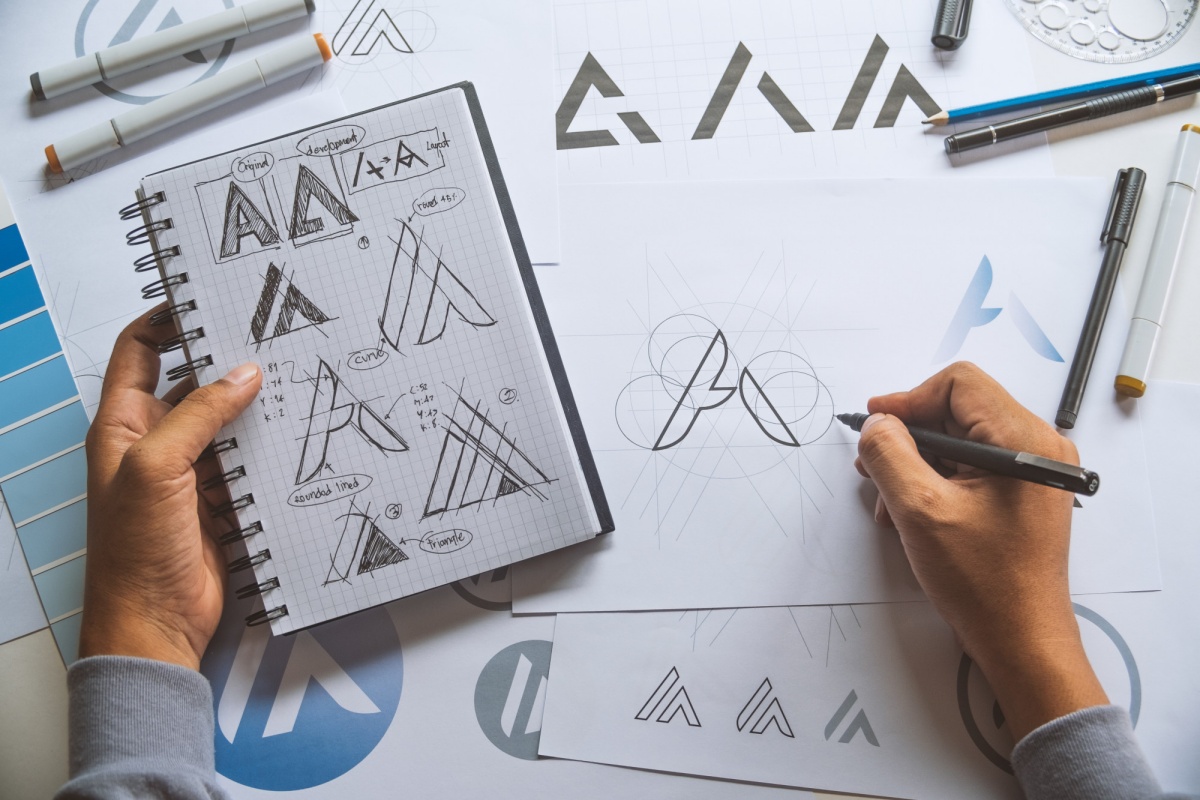
Unveiling unpublished design sketches is like opening a treasure chest filled with insights and inspiration. These sketches often represent the raw, unfiltered thoughts of designers before they refine their ideas into polished products. When these works come to light, they offer a unique glimpse into the creative process and the evolution of concepts that may never have seen the light of day. This exploration can be both enlightening and motivating for aspiring designers and enthusiasts alike.
Looking at these sketches allows us to appreciate the brainstorming phase of design. This is where ideas are born, often in a messy and chaotic manner. Designers might scribble down thoughts, experiment with shapes, or play with color combinations without the pressure of finality. This stage is crucial because it shows that creativity doesn’t always start with a perfect vision. It reminds us that the journey of design is often filled with trial and error, and that’s perfectly okay.
Examining unpublished sketches can reveal the influences that shaped a designer’s work. These early drafts might include notes, doodles, or references to other artists or movements that inspired the designer. By understanding these influences, we can gain a deeper appreciation for how ideas are interconnected across different fields. It’s fascinating to see how a designer’s personal experiences and cultural context can inform their creative choices.
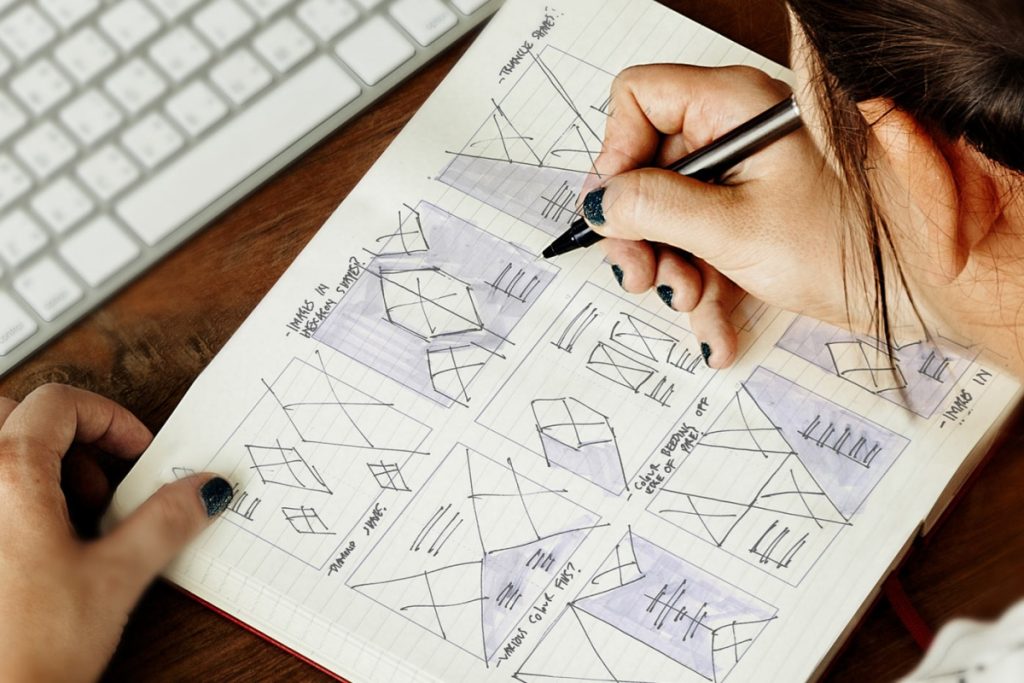
Another important aspect is the opportunity to learn about the iterative process of design. Many iconic pieces go through numerous revisions before reaching their final form. By studying unpublished sketches, we can see how designers tweak and refine their ideas over time. This insight is valuable for anyone in the creative field, as it underscores the importance of feedback and adaptability. It encourages us to embrace revisions and view them as a natural part of the process rather than a setback.
These sketches also invite us to engage with the emotional side of design. Each line drawn and color chosen carries the designer’s thoughts and feelings at that moment. When we look at these sketches, we can sense the passion, frustration, or excitement that fueled their creation. This emotional connection can inspire us to infuse our own work with authenticity and vulnerability, making it resonate more deeply with others.
Unpublished sketches can spark new ideas and innovation. Seeing the initial concepts can ignite a creative fire, encouraging us to think outside the box. We might find ourselves inspired to explore similar themes or experiment with different techniques. This exposure to raw creativity can be a powerful motivator, pushing us to take risks in our own projects.
Sharing these sketches with a broader audience can foster a sense of community among designers. It opens up conversations about the creative process, allowing others to share their experiences and insights. This exchange of ideas can lead to collaboration and growth, reminding us that design is not just an individual pursuit but a collective journey.
Unveiling unpublished design sketches offers a wealth of knowledge and inspiration. By exploring the brainstorming phase, understanding influences, appreciating the iterative process, connecting emotionally, sparking new ideas, and fostering community, we can gain a richer understanding of what it means to create. This journey into the heart of design encourages us to embrace our own creative paths with confidence and curiosity.